There is nothing quite like the frustration of pulling your favorite wool sweater out of the closet only to find it riddled with tiny, mysterious holes. Moths may be quiet, but their larvae can wreak havoc on your wardrobe, upholstery, and even your pantry staples before you even realize they’ve moved in.
If you want to protect your belongings, you need to understand what draws these silent destructive pests into your space and, more importantly, how to evict them.
Let’s break down exactly what causes moth infestations and look at five highly effective, natural ways to reclaim your home.
What Actually Causes Moth Infestations?
Contrary to popular belief, moths don’t just appear out of nowhere because of bad luck. They are highly targeted hitchhikers and opportunists attracted to very specific things:
Natural Fabrics & Proteins: Clothes moths don’t actually eat fabric as adults; it’s their larvae that do the damage. They feed on keratin, a protein found in natural fibers like wool, silk, cashmere, feathers, and cotton.
Neglected, Dark Spaces: Moths hate the spotlight. They thrive in quiet, undisturbed, dimly lit areas like the deep corners of closets, under heavy furniture, attics, and basements.
Forgotten Food Supplies: Pantry moths are a entirely different breed. They hunt for grains, flour, cereals, pet food, and dried fruits, easily chewing through flimsy plastic bags to lay their eggs.
Traces of Sweats and Oils: Moths are heavily drawn to human scents. Clothing that carries microscopic traces of sweat, body oils, or spilled food is a premium target.
Easy Access Points: Sometimes, it’s as simple as leaving a window open on a summer evening. Adult moths fly toward nearby indoor lights and slip right through un-screened doors and windows.
Now that we know why they’re crashing your party, here are five ways to kick them out for good.
5 Effective Ways to Get Rid of Moths
1. Harness the Power of Lavender and Cedar
If you want to repel moths without making your entire wardrobe smell like harsh, chemical mothballs, nature has provided a brilliant workaround. Both cedar and lavender contain natural aromatic compounds that moths absolutely detest.
While lavender acts as a powerful deterrent to keep adult moths from laying eggs, cedar contains natural oils that are actively toxic to tiny moth larvae. Combining the two gives you an ultimate defensive shield.
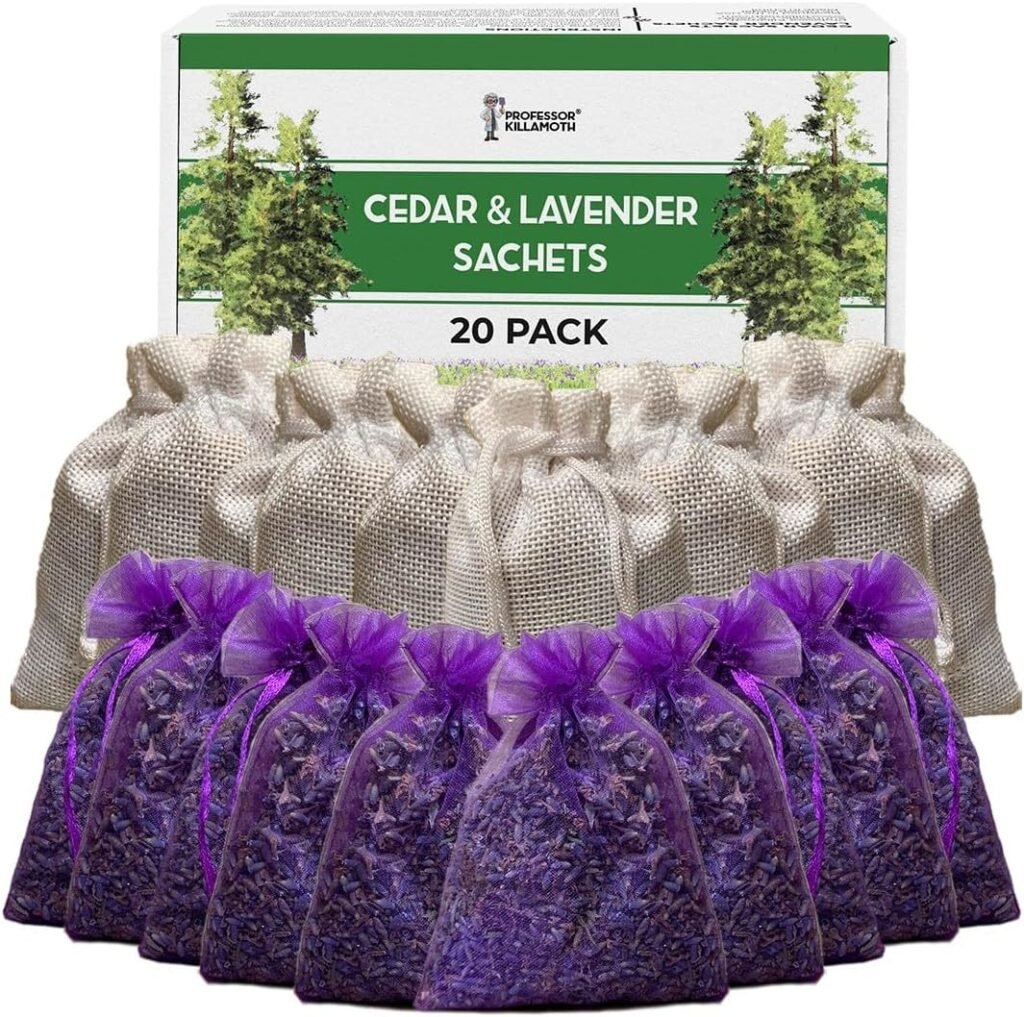
This convenient 20-pack combines premium, USA-grown cedar with high-quality fragrant lavender. It’s an eco-friendly, family-and-pet-safe alternative to expensive custom cedar closets. They come ready to use right out of the box—just hang them on your clothing racks or toss them into your dresser drawers to enjoy long-lasting protection and a fresh, clean scent.
2. Deep-Clean Your Environment
Because moth eggs and larvae are incredibly small, they hide easily in plain sight. Regular, aggressive cleaning is your best physical defense.
Vacuum your carpets, rugs, and upholstered furniture frequently, making sure to use attachments to reach baseboards, corners, and dark areas beneath heavy furniture. If you suspect an area has been compromised, empty the vacuum bag or canister outside immediately so the pests don’t just crawl back out.
3. Upgrade Your Wardrobe Storage Strategy
Before you pack away your seasonal clothes, you need to make them an absolute fortress against pests:
Wash everything first: Never store clothes that have been worn, even once. Clean garments completely lack the sweat and oil attractants that moths look for.
Ditch the cardboard: Moths can chew through cardboard boxes with ease.
Go airtight: Invest in heavy-duty plastic storage bins or vacuum-sealed storage bags to completely isolate your fabrics from the outside air.
4. Deploy Essential Oil Mists
If you want to add an extra layer of defense to your drawers and shelves, essential oils are incredibly effective.
Lavender & Eucalyptus: Soak a few cotton balls in lavender (or use lavender sachets) or eucalyptus essential oil and tuck them into the corners of your shelves.
Peppermint Spray: Moths hate the sharp scent of mint. Mix a few drops of pure peppermint essential oil with water in a clean spray bottle and lightly mist the interior walls of your empty closets and baseboards.
As a bonus, your storage spaces will smell incredibly fresh.
5. Freeze Your Fragile Fabrics
If you find a garment that is actively infested, don’t panic and throw it away just yet. Extreme cold is lethal to moth eggs and larvae.
Seal the affected items securely inside a plastic zip-top bag and place them in your freezer. Leave them there for at least 72 hours to ensure the cold penetrates entirely. Once thawed, wash or dry-clean the item normally to clear away any remaining debris.
Final Thoughts
A moth problem can feel overwhelming, but it is completely manageable if you strike quickly and consistently. By eliminating their favorite hiding spots, cleaning thoroughly, and utilizing natural repellents like Professor Killamoth’s Cedar and Lavender Sachets, you can effortlessly protect your favorite clothes and enjoy a completely moth-free home.
What Are Pantry Moths? Have you ever opened a cabinet and found a moth fluttering out of the flour bag? That’s a pantry moth, and it means the infestation…
We’ve all been there: that uncomfortable, tight, and sometimes painful feeling of dry, chapped lips. It’s a common frustration, but slathering on random products without knowing the root cause…